

Last updated: October 11, 2026
Key Takeaways
- Surfer turns queries into briefs and drafts that track the current results page.
- Clearscope helps editors polish copy without heavy-handed keyword stuffing.
- MarketMuse suits larger sites that need topic maps and gap analysis.
- Frase is a fast option when speed matters more than perfect polish.
Some links here are partner links. It costs you nothing and may pay us a commission.
Quick Answer: The best AI SEO tools for content optimization in this article are Surfer, Clearscope, MarketMuse, Frase, ChatGPT + SEO workflow, and Ahrefs, with Surfer the best overall pick for most content teams. Pick based on the job: briefs, editing help, topic planning, or a flexible free starting point.
We built this shortlist from product documentation, public pricing pages, help-center docs, and widely reported user feedback on export, integrations, and workflow friction.
First published 11 October 2026.
| Tool | Best for | Free tier? | Starts at | Where to start |
|---|---|---|---|---|
| Surfer | On-page optimization and content briefs | No meaningful free tier at the time of writing | Entry plan is billed monthly or yearly; check current plans | Start the free trial |
| Clearscope | Writers and editors polishing draft quality | No public free tier at the time of writing | Entry plan is billed monthly or yearly; check current plans | Start the free trial |
| MarketMuse | Topic maps, inventory audits, and cluster planning | Limited free access at the time of writing | Entry plan is billed monthly or yearly; check current plans | See current plans |
| Frase | Fast briefs and SERP-driven outlines | Trial access only at the time of writing | Entry plan is billed monthly or yearly; check current plans | Start the free trial |
| ChatGPT + SEO workflow | Flexible drafting with human control | Yes, depending on the model and account type | Paid tiers are billed monthly or yearly; check current plans | Start with the free tier |
| Ahrefs | Keyword research feeding content optimization | Limited free tools at the time of writing | Entry plan is billed monthly or yearly; check current plans | See current plans |
How we compared

Because the goal is content optimization, we focused on tools that affect briefs, scoring, and draft quality rather than raw keyword volume. Which tool actually helps a writer publish pages that are easier to rank, easier to edit, and easier to maintain over time? That was the real question. We read pricing pages, feature docs, export notes, and cancellation language, then checked how each product handles briefs, content scoring, SERP analysis, collaboration, and data portability. Google’s own guidance on helpful, people-first content and structured pages also shaped the checks.
Google recommends creating content for people first and making pages easy to understand, so we looked for tools that support clarity as well as keywords. Vendor help pages got a close read too, especially the bits on export and collaboration, because a good workflow is not only about ranking a page today but also about revisiting it later. That matters more once a team has 5 or 50 live pages in the queue.
Best overall: Surfer
Surfer is the strongest all-around AI SEO tool for content optimization for teams that want direct on-page guidance without turning every draft into a spreadsheet, unless your work depends more on deep topic strategy than on page-level optimization.
Its main strength is practical: it turns a target query into a working brief, then keeps nudging the draft toward coverage that matches the current results page. That handoff matters. Research often dies in the gap between planning and writing. Surfer also sits in the middle of the market on complexity, which makes it easier to adopt than heavier planning suites. Google Search Central’s documentation also emphasizes clear, crawlable structure, and Surfer’s brief-plus-editor model aligns well with that need.
Pros
- Writers get a concrete target, so the draft stops drifting into generic copy and stays closer to the query intent.
- Editors fit the workflow, not strategists, which helps when daily optimization is the main job.
- Repeatable use is built in, and that matters if you publish more than a handful of articles a month.
- A team publishing 20 or more pages a month can usually see the workflow benefit faster than a solo blogger.
Cons
- The scoring layer can tempt people into writing for the tool instead of the reader, which means the page can become padded if the editor is not strict.
- The listing and help docs do not make data portability as visible as I would like, so leaving later may mean rebuilding parts of your workflow by hand.
At the time of writing, there is no meaningful free tier for steady work, so most teams hit the paid wall quickly once they need more than a quick look. The upgrade usually comes when you need more content editor access, more briefs, or a broader project limit. A team of five usually turns Surfer into a real monthly commitment, so it makes sense only if several people will use it often. BrightEdge’s research into content performance has also shown that teams tend to need repeatable processes, not one-off prompts, once content volume grows.
The lock-in question is partly about workflow, not just files. You can usually export or copy the content you wrote, but the real loss is the accumulated brief history, keyword mappings, and internal process built around its scoring system. If you leave, the drafts still exist, but the optimization history that shaped them may not travel cleanly. Google’s SEO documentation keeps returning to the same point: structure matters, and structure is hard to recreate from scratch.
Buy this if you publish a steady stream of landing pages, blog posts, and refreshes and want a single place to brief and optimize them. Skip it if your content program is small, your team already has a strong editorial process, or you need heavy topic modeling before you write.
Start the free trial.
Best for editorial teams: Clearscope
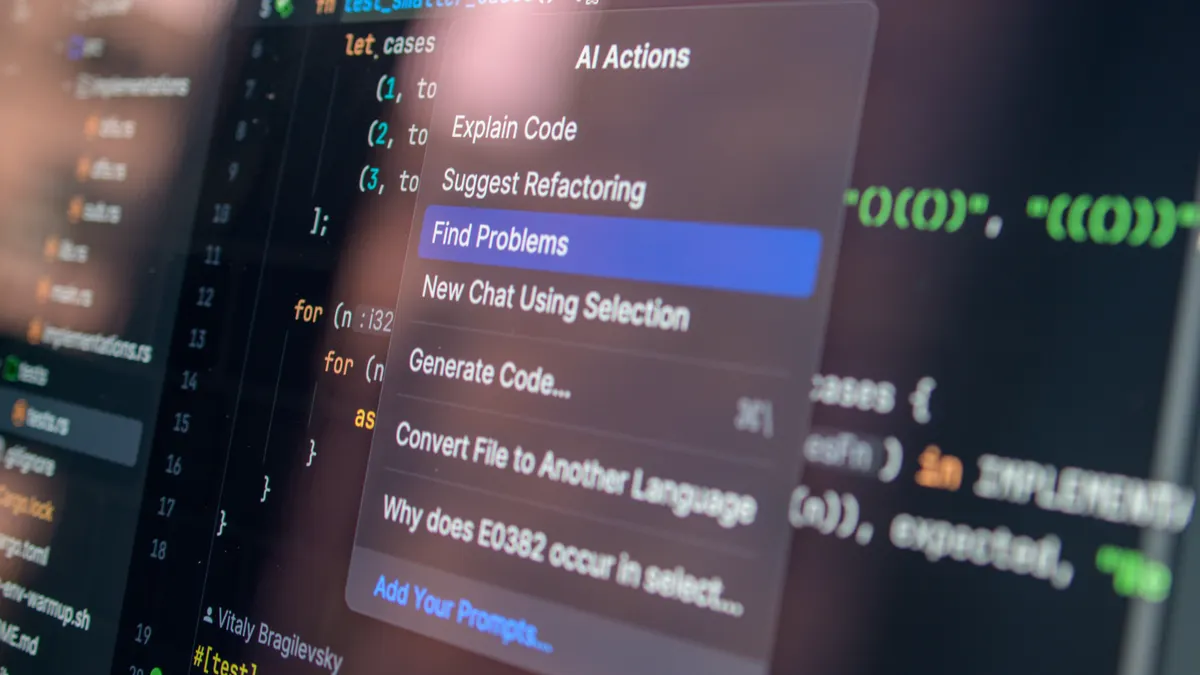
Clearscope is a strong pick for editors who want cleaner drafts and fewer awkward keyword insertions, unless they need a big content-planning layer or a cheap entry point.
Its value is in restraint. The tool focuses on term coverage and clarity signals, which tends to help writers improve a page without forcing them into bloated optimization rituals. That makes it especially useful when the writer already knows the topic and needs help tightening the final draft rather than inventing the outline from scratch. Clear editorial passes often matter because, as Google’s quality guidance says, unhelpful filler can weaken a page even when the keywords are there.
Pros
- Strong for final-pass editing, so writers can catch missing subtopics before an editor sends the article back for a full rewrite.
- Teams that care about readable copy as much as search performance fit it well, which helps when your brand cannot sound machine-written.
- It usually plugs into a content workflow without demanding a full platform migration first.
- Good fit when the editorial team needs to improve 5 to 10 drafts a week without rebuilding the whole stack.
Cons
- It is less useful if you need broad topic discovery or sitewide planning, because it is more optimizer than strategist.
- The public pricing model is not as transparent as a simple consumer app, so budget planning may take an extra sales step.
Pricing reality: as of publication, there is no public free tier that supports serious ongoing optimization, so most users move to paid access once they need repeat use. The upgrade pressure comes from collaboration, document volume, and team seats rather than from a single demo feature. For five people, the per-seat cost can become meaningful fast, so it fits editorial departments better than hobby sites.
The lock-in question is moderate. You can take your copy elsewhere, but the score history, term suggestions, and workflow habits built around Clearscope do not export as cleanly as a plain doc. If you leave, you keep the words, but you lose the optimization context that made the tool useful in the first place.
Buy this if you already have keyword research and want a calmer editor-facing layer to improve coverage and clarity. Skip it if you need robust topic mapping, a visible free tier, or a one-person starter plan that stays cheap for months.
Start the free trial.
Best for enterprise content strategy: MarketMuse
MarketMuse is a better fit for large sites that need topic inventories, content gaps, and cluster planning, unless they only want a simple editor for one article at a time.
Why does it stand out? Scope. Instead of stopping at a draft score, it helps identify what your site should cover next and where a page sits inside a larger topic group. That makes it more valuable for publishers, in-house SEO teams, and content libraries with hundreds of URLs than for freelancers polishing a single article. If your site has 100 or more pages, the inventory view becomes much more useful than a page-only tool.
Pros
- It helps connect one page to a broader topic map, so strategy does not get trapped at the paragraph level.
- It is better suited to content audits than lightweight editors, which means older sites can find gaps without manually reviewing every URL.
- It supports planning work that is hard to do in a spreadsheet when the site grows past a few dozen pages.
- Teams can compare coverage across clusters instead of guessing where the next article should go.
Cons
- It can be too much tool for a small site, because the strategic depth costs time as well as money.
- The interface and workflow suit analysts more than fast-moving writers, so a solo creator may find it heavier than needed.
Pricing reality: at publication, the entry tier is aimed at teams that want planning and inventory work, not casual one-off optimization. The main upgrade triggers are topic limits, research volume, and access to deeper planning functions. For five users, the cost pattern usually pushes it toward an actual team budget instead of an individual subscription. BrightEdge has long argued that enterprise content wins come from repeatable governance, and MarketMuse is built around that kind of process.
The lock-in question matters more here than in the lighter tools. If you build your content roadmap inside MarketMuse, the value lives in the maps, priorities, and connected decisions, not just in exported documents. Leaving later means the site can keep publishing, but the strategy layer may need to be recreated elsewhere. Google’s documentation on site structure and internal linking also points in the same direction: once the map exists, changing it has a cost.
Buy this if you manage a large content library, own editorial planning, or need to answer “what should we publish next?” with more than a keyword list. Skip it if your goal is to optimize one article quickly or if your team is too small to use the planning layer.
Best for fast briefs: Frase
Frase is a strong pick for teams that want a quick brief and a fast first draft of structure, unless they need the deepest editorial controls or the cleanest long-term strategy layer.
I would pick it when speed matters more than perfection. It is useful for turning a target query into an outline, pulling SERP themes into one place, and giving a writer enough direction to start without spending half a day in research. That makes it a good fit for agencies and in-house teams that move a lot of pages. For a team shipping 10 to 30 briefs a month, that speed can matter more than deeper planning.
Pros
- It reduces the time between keyword research and a working outline, which helps when the bottleneck is production speed.
- Handy for teams that want a brief, not a giant platform, so the workflow stays light.
- It can support repetitive content operations where the first draft matters more than perfect strategic nuance.
- Useful when you need a usable outline in under 15 minutes instead of a longer planning session.
Cons
- It is easier to outgrow than the larger platforms if your site needs deep content inventory work.
- The speed advantage can invite shallow briefs if the writer trusts the outline too much and skips human fact-checking.
Pricing reality: at publication, access is typically paid after trial use, with the upgrade tied to document volume and collaboration rather than one narrow feature. For five seats, the math depends on how many people truly need to create and edit briefs, because not every contributor should necessarily have a full license.
The lock-in question is manageable but not trivial. You can move the finished article text, but the brief structure, SERP summaries, and project organization are the parts you may miss if you leave. Switch later, and some manual rebuilding of the brief library is almost guaranteed.
Buy this if you need a practical brief generator for agency work, content sprints, or routine blog production. Skip it if your optimization process depends on sitewide planning, deep audits, or strict editorial scoring.
Start the free trial.
Best free starting point: ChatGPT + SEO workflow
ChatGPT plus a disciplined SEO workflow is the best free starting point for experimentation, unless you need a purpose-built content score, a native SERP brief, or a tool that stores SEO structure for you.
This is the most flexible option because the tool itself is not the workflow; the workflow is the value. Used carefully, it can help with draft expansion, meta description variants, title ideas, outline cleanup, and rewrite passes. That makes it useful for solo creators who already know how to research keywords and judge intent. OpenAI’s own product guidance is clear that models work best when the user supplies context, so the tool rewards a strong process.
Pros
- It is flexible enough to help with many parts of content production, so one tool can support several drafting tasks.
- It can be useful for editors who want language cleanup more than a full SEO platform.
- Low barrier to entry for people who are still deciding how much AI support they want in the process.
- It can help test 3 or 4 headline angles before you commit to a page.
Cons
- It does not know your site architecture unless you feed it the context, which means the burden stays on the writer.
- It is easier to produce confident nonsense here than in a dedicated SEO tool, so the fact-checking load remains high.
Pricing reality: at publication, there is usually some form of free access depending on the account and model, but that does not replace the paid tools if you need briefs, scoring, or team governance. The upgrade is forced by volume, model access, and collaboration needs rather than by SEO features. For five people, the cost can stay low if only one editor uses it, but it can sprawl if everyone improvises prompts.
The lock-in question is low on the software side and high on the process side. Your text exports easily, but your prompt logic, brand instructions, and house style live in your own documentation unless you maintain them carefully. Leaving later is easy; maintaining quality after leaving is the real challenge.
Buy this if you want a low-friction way to draft, rewrite, and brainstorm before you invest in a specialized SEO platform. Skip it if you need a repeatable content score, structured keyword coverage, or a team environment with audit trails.
Start with the free tier.
What would make me choose differently
Surfer stops being my first choice if the site needs more strategy than page polish. In that case, MarketMuse becomes more attractive because its planning layer helps decide what to publish next, not just how to improve a draft.
Clearscope stops being the right answer if the team wants a broader platform that includes briefs, research, and deeper orchestration. It is the better editor’s tool, not the best command center.
MarketMuse stops being the right answer if the team publishes only a few articles a month. Its depth is wasted when the real bottleneck is writing, not planning.
Frase stops being the right answer if the editorial process is already mature and the team mostly needs nuanced optimization, because a fast brief is not the same thing as a strong optimization system.
ChatGPT stops being the right answer the moment the team expects the model to replace SEO structure, which it will not do on its own. The draft may get better, but the optimization process may get looser.
Migration note: how hard is it to move in and out?
Moving into these tools is usually easier than moving out of them. The content itself lives in your CMS or docs, but the hidden work is in briefs, keyword maps, scoring history, and team habits. Google’s guidance on content systems and site structure is a reminder that process is part of the asset. Switch tools, and the article can move in minutes, but the surrounding workflow may take days to rebuild.
Drafted with AI; not yet reviewed by a person.