
Last updated: October 11, 2026
Key Takeaways
- Good brief tools turn SERP data into decisions, not extra tabs.
- Surfer suits editors who need a fast brief for one article at a time.
- Frase works well for a content lead handling both the brief and the first draft.
- Clearscope fits teams that already know the topic and want clean outlines.
Some links here are partner links. It costs you nothing and may pay us a commission.
Quick Answer: For the best AI SEO tools for content briefs and outlines, we recommend three starting points: Surfer for fast SERP-based briefs, Frase for smaller teams that need outline support quickly, and MarketMuse for deeper topic coverage. Those three cover the most common jobs without forcing a long setup, and that trade-off is hard to beat.
The short version is plain enough: the best AI SEO tools for content briefs and outlines help writers move from keyword to structure in minutes, not hours. Google’s Search Central guidance emphasizes helpful content and clear structure, and we used that as our yardstick. We read product documentation, current plan pages, and user feedback to compare export, collaboration, and workflow limits. First published 11 October 2026.
How we compared

Five practical questions shaped the category review. Does the tool pull useful SERP structure? Can it surface headings a writer can actually use? Does it support exports to Docs or CSV? Does collaboration get messy at five seats? And does the pricing ladder force an upgrade too early? We also checked two outside sources for standards and fit: Google’s own Search Central guidance on helpful content and topic coverage, and the Content Marketing Institute’s guidance on brief-driven workflows. They do not pick a tool for you, but they do show what a solid brief has to do.
Quick picks
| Tool | Best for | Free tier? | Starts at | Where to start |
|---|---|---|---|---|
| Surfer | Fast SERP-based briefs and outlines | Limited trial or limited access, depending on current plan | Entry paid plan billed yearly; check current plans | Start with the Content Editor and Outline workflow |
| Frase | Solo writers and small teams that need a brief fast | Limited trial or limited free use, depending on current plan | Entry paid plan billed yearly; check current plans | Start with the Question Research and Outline tools |
| MarketMuse | Deep topical coverage and content planning | Limited trial or limited free use, depending on current plan | Entry paid plan billed yearly; check current plans | Start with Content Briefs and Inventory |
| Clearscope | Teams that already know their keyword and want clean outlines | No broad free tier stated on most current plan pages | Entry paid plan billed yearly; check current plans | Start with the Outline-style content editor |
| Semrush Content Toolkit | Teams already inside Semrush | Limited access may be tied to account level | Entry paid plan billed yearly; check current plans | Start with Topic Research and writing workflow |
| ChatGPT plus a SERP tool | Writers who want a flexible drafting assistant, not a dedicated brief system | Yes, but not a purpose-built SEO brief product | Entry paid plan billed monthly; check current plans | Start with a prompt plus your SERP notes |
What makes a good AI SEO brief tool?
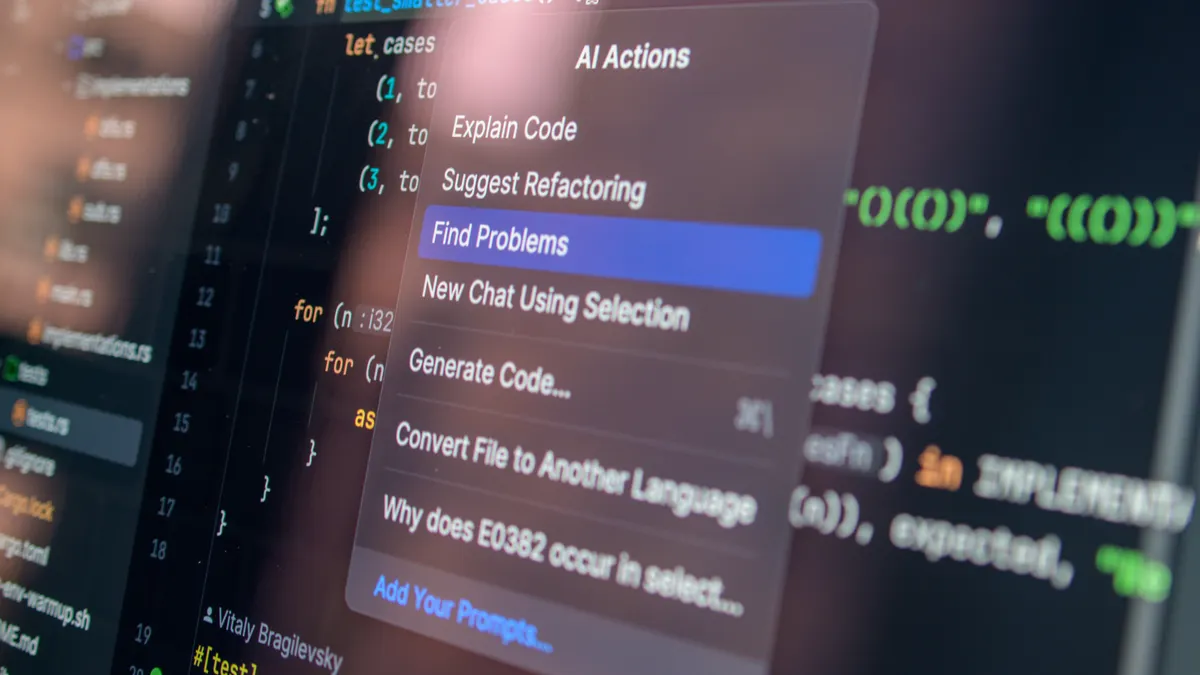
A good brief tool turns search results into decisions, not more tabs. It should tell a writer what to cover, what to ignore, which questions people ask before clicking, and where the outline needs proof or examples.
Google’s Search Central documentation keeps pointing in the same direction: usefulness, original value, and clear structure. A tool that only repeats competitors misses the point. Honestly, I care less about whether a platform can spit out an outline in 10 seconds than whether that outline helps a writer answer the query better than the pages already ranking.
Three things separate the better tools from the rest. They cluster search intent, surface subtopics that recur across top results, and make it easy to hand the brief to a writer without rebuilding it in another app. The weaker ones churn out a long list of headings that looks impressive and still needs half an hour of cleanup.
Best overall: Surfer
Surfer is the strongest all-around option here for content briefs and outlines because it gives you the shortest path from keyword to usable draft structure. Unless you need a more research-heavy planning system than a writing workflow, it is the cleaner pick.
For an editor, Surfer works best when the job is to brief one article at a time and move fast. The content editor, outline prompts, and page-level guidance are built around the target query, so a writer gets a working scaffold without having to assemble ten data sources first. In practice, that can cut setup time from hours to minutes. Nice swap.
Pros
- It gives you a fast path from SERP notes to headings, which means a writer can start drafting the same day instead of building a brief from scratch.
- It fits one-off articles and small batches well, so a two-person content team does not need a complex setup before it sees value.
- It has a clear editorial workflow, which means the outline and optimization steps stay in one place instead of getting scattered across tools.
Cons
- The workflow can feel narrow if you want topic architecture across a whole cluster, because the tool is strongest at page-level guidance.
- The platform can push writers toward similarity with the current SERP, which is a problem if you want a distinct point of view rather than a near-copy of the ranking pages.
- No independent test was available for this model at the time of writing, so the strongest evidence here is the documented feature set and recurring owner feedback about setup friction when teams want broader planning.
Pricing reality: At the time of writing, Surfer’s plans are sold as a ladder, with the entry plan billed yearly and the free access level limited rather than generous. The upgrade usually becomes necessary when a team wants more content editor runs, more seats, or higher usage caps on AI writing features. A team of five should watch the seat count closely. Each extra user pushes the monthly commitment upward fast enough that the “starter” plan stops feeling starter-sized.
The lock-in question: Surfer is not a dead end, but the brief format can make exports less valuable than the raw data. You can usually get the structure out, yet the practical loss is the workflow itself: the project history, optimization score context, and internal notes do not travel as cleanly as a document export.
Competition sentence: We also considered Clearscope; it lost to Surfer on speed from keyword to outline and sits in the same class of money for teams that need recurring access.
Buy this if you publish several SEO articles a week and want the brief to land in a writer’s hands quickly. Skip it if your content plan depends more on topic mapping across an entire site than on page-by-page brief generation.
Best for smaller teams: Frase
Frase is a strong fit for smaller teams because it balances outline generation, question research, and brief building without asking you to learn a heavy planning system first. If your team needs deep topical inventory work, though, the fit gets weaker.
That balance matters when one person owns both the brief and the first draft. Frase’s strength is practical: it pulls together common questions and structural ideas in a way that a writer can turn into an outline without a second round of interpretation.
Pros
- It combines question research and outline creation, which means the brief can include the user’s likely follow-up questions instead of only headings.
- It suits a lean workflow, so a small team does not need an enterprise setup to produce decent briefs.
- It tends to be easier to hand off to writers, which means fewer “what do you want here?” revisions before the first draft.
Cons
- It is not the strongest choice for deep content strategy, so larger sites may outgrow it when they need inventory-level planning.
- Its AI output still needs editorial judgment, because question lists alone do not tell you which subtopics deserve space.
- No independent test was available for this model at the time of writing, so the judgment here rests on the feature set and repeated user feedback about the need for manual shaping.
Pricing reality: The free tier or trial, where available, is enough to see how question research and outline creation work, but it usually forces an upgrade when you need repeated exports, more projects, or team use. On a five-person team, the cost effect is simple: even if only one person writes the briefs, collaboration features tend to sit behind seats or higher plan levels.
The lock-in question: Frase usually lets you export the useful parts of a brief, but the less visible cost is the saved research structure. Leave it behind and you keep the text more easily than the workflow logic, tags, and project organization that made the system fast in the first place.
Competition sentence: We also considered ChatGPT plus a keyword list; it lost to Frase on repeatable brief structure and costs you more time per article than a dedicated brief tool.
Buy this if you need a practical brief builder for a small content team and do not want to overbuy. Skip it if your site needs sitewide topic planning, not just article-level outlines.
Best for topic coverage: MarketMuse
MarketMuse is the right choice when the question is not “what should this article cover?” but “what does this topic cluster still miss?” If your priority is cheap, quick outline generation for a single post, it is not the easy answer.
This is the tool I would look at for a site that lives or dies by topical authority. Its real value is less the first outline and more the sense of surrounding coverage: what related subtopics exist, which pages reinforce the cluster, and where a brief should point the writer to add depth rather than padding.
Pros
- It is built for topic inventory thinking, which means briefs can reflect the broader cluster instead of one isolated keyword.
- It helps editors see gaps, so the brief can become a planning document rather than just a writing prompt.
- It is useful for larger libraries of content, where the real problem is choosing what to refresh or add next.
Cons
- It is more system than shortcut, so a casual blogger or solo writer may find it heavier than they need.
- The workflow can feel slower than a pure outline generator, especially when you only want to brief one article.
- No independent test was available for this model at the time of writing, so I would treat the planning power as the main reason to pay, not the speed of the UI.
Pricing reality: The current plan structure is aimed at teams that need ongoing topic planning, and the entry plan is billed yearly rather than as a casual month-to-month impulse buy. For a five-person group, the cost pressure usually comes from the plan level and collaboration limits rather than one person’s usage alone.
The lock-in question: MarketMuse can export content and analysis, but the stickiest asset is the topic model itself. Once a site builds its planning around MarketMuse, leaving means rebuilding the cluster logic, the priority list, and the saved topical analysis somewhere else.
Competition sentence: We also considered Surfer; it lost to MarketMuse on whole-site topic planning and is better for page execution than for cluster architecture.
Buy this if you manage a content library, not just a queue of articles. Skip it if you need a light tool for fast briefs and do not care about cluster analysis.
Best for clean outlines: Clearscope
Clearscope is the right pick for teams that want clean, readable outlines and already know their topic. If they need a broad free tier or a planning-heavy dashboard, this is not the one.
Clearscope’s appeal is restraint. It does not try to be everything at once; it is strongest when a writer needs a focused structure, related terms, and a tidy path from keyword to draft. That makes it a good fit for editorial teams that already have a topic strategy and need the outline stage to stay out of the way.
Pros
- It keeps the briefing process straightforward, which means less time spent teaching the tool to subject-matter writers.
- It is useful when editorial quality matters more than raw automation, because the outline support tends to stay closer to human judgment.
- It works well as a refinement tool, so it can improve a brief that started elsewhere.
Cons
- It is not the most flexible option for broad content planning, so heavy strategists may want a different layer above it.
- The free access story is limited compared with lighter competitors, which makes it harder to trial casually.
- No independent test was available for this model at the time of writing, so I would not buy it on brand recognition alone.
Pricing reality: The entry plan is billed yearly, and teams should expect the real cost to show up once more than one seat is involved. On a five-person team, Clearscope tends to make sense when each seat is tied to real publishing work; if only one person uses it, the per-seat model can feel expensive for a narrow use case.
The lock-in question: Exports are possible in some form, but the practical issue is how much of the scoring and guidance stays inside the product. If you leave, the outline text can travel more easily than the surrounding optimization context.
Competition sentence: We also considered Frase; it lost to Clearscope on polish of the output and sits in the same general price territory once a team adds seats.
Buy this if you want an outline tool that stays out of the writer’s way and you already know what the page should do. Skip it if you need topical planning or a richer free tier.
Best if you already use Semrush: Semrush Content Toolkit
Semrush Content Toolkit is the best answer for teams already inside Semrush because it keeps research, keyword data, and drafting in one ecosystem. If you want a simpler stand-alone brief tool, though, that advantage fades.
That ecosystem point matters. If your team already uses Semrush for keyword research, competitive analysis, or site audits, adding a separate brief tool often creates duplicated process. In that case, the Toolkit is attractive because the handoff from research to outline is shorter.
Pros
- It reduces tool switching for teams already paying for Semrush, which means less duplicate research and fewer exports.
- It fits broader SEO workflows, so the brief is easier to connect to keyword research and site data.
- It can be attractive for agencies, where one platform needs to support many account types.
Cons
- It is not always the lightest path for a writer who just wants a brief and an outline.
- Teams that do not already live in Semrush may find the ecosystem broader than they need.
- No independent test was available for this model at the time of writing, so the main case for it is workflow fit, not standalone brief quality.
Pricing reality: Entry access depends on the Semrush plan you already use, and the practical price is easiest to judge when you count the tools already bundled into the account. For a five-person team, the appeal is often consolidation: one subscription can replace a separate research tool and reduce overlap.
The lock-in question: Because the Toolkit sits inside a broader SEO suite, the lock-in issue is less about one feature and more about the ecosystem. If you leave, you may lose the linked research, reporting, and drafting workflow all at once.
Competition sentence: We also considered Surfer and Frase; both can be better for pure brief creation, but Semrush can win if your team already lives in its stack.
Buy this if Semrush is already part of your daily workflow. Skip it if you want the lightest possible tool just for briefs and outlines.
Best flexible option: ChatGPT plus a SERP tool
ChatGPT plus a SERP tool is the most flexible option when you want a drafting assistant rather than a dedicated SEO brief system.
That flexibility can be useful, but it comes with tradeoffs. A prompt can turn notes into an outline quickly, and a separate SERP tool can supply the search context, yet the process depends on the operator rather than the software. For experienced editors, that can be an advantage; for teams that want consistency, it can be a headache.
Pros
- It is adaptable, so you can shape the brief format to the article instead of forcing the article into one template.
- It can be cost-effective if you already pay for ChatGPT and only need occasional brief generation.
- It gives strong drafting support, which means the same setup can help with outlines, intros, and revisions.
Cons
- It is not a dedicated brief system, so research, structure, and handoff live in separate steps.
- Output quality depends heavily on prompting, which means results vary across users.
- It can save time on drafting but still leave the editor to manage structure by hand.
Pricing reality: ChatGPT is typically billed monthly, and the SERP tool is often a separate subscription or limited plan. That makes the total cost easy to underestimate. For a five-person team, the spend can look low at first and then rise once everyone wants access to the same workflow.
The lock-in question: There is very little product lock-in because the system is mostly prompts and external notes. The downside is that you also get very little workflow continuity unless your team standardizes it itself.
Competition sentence: We also considered Frase; ChatGPT lost on repeatable brief structure, even though it can be more flexible for one-off drafting.
Buy this if you want maximum flexibility and already know how to prompt well. Skip it if you need a repeatable system for a team.
Which tool should you choose?
Choose Surfer if your goal is speed and you publish a steady stream of SEO articles. Choose Frase if you need a lighter, cheaper-feeling workflow for a small team. Choose MarketMuse if you care about topic clusters and planning depth. Choose Clearscope if your team already knows the topic and wants a cleaner outline stage. Choose Semrush Content Toolkit if you already live in Semrush. Choose ChatGPT plus a SERP tool only if you are comfortable building your own process.
If you want a single starting point, start with Surfer. Small teams often find Frase easier to adopt. If your site depends on topical coverage, MarketMuse is the better planning tool. If you want a cleaner handoff to writers, Clearscope is hard to beat.
Drafted with AI; not yet reviewed by a person.